
For industrial project managers in 2026, the traditional cost-estimation spreadsheet is becoming an increasingly volatile document. We have entered a year defined by unprecedented global trade complexity, where shifting geopolitical alliances and sudden tariff adjustments are creating ripple effects that impact the cost of heavy machinery and essential project materials.
When your budget is tied to the price of steel, specialized mining equipment, or imported infrastructure components, tariff volatility isn’t just a “business risk”—it is a direct threat to your project’s completion timeline and bottom line.
Hedging Against Volatility: A Practical Guide
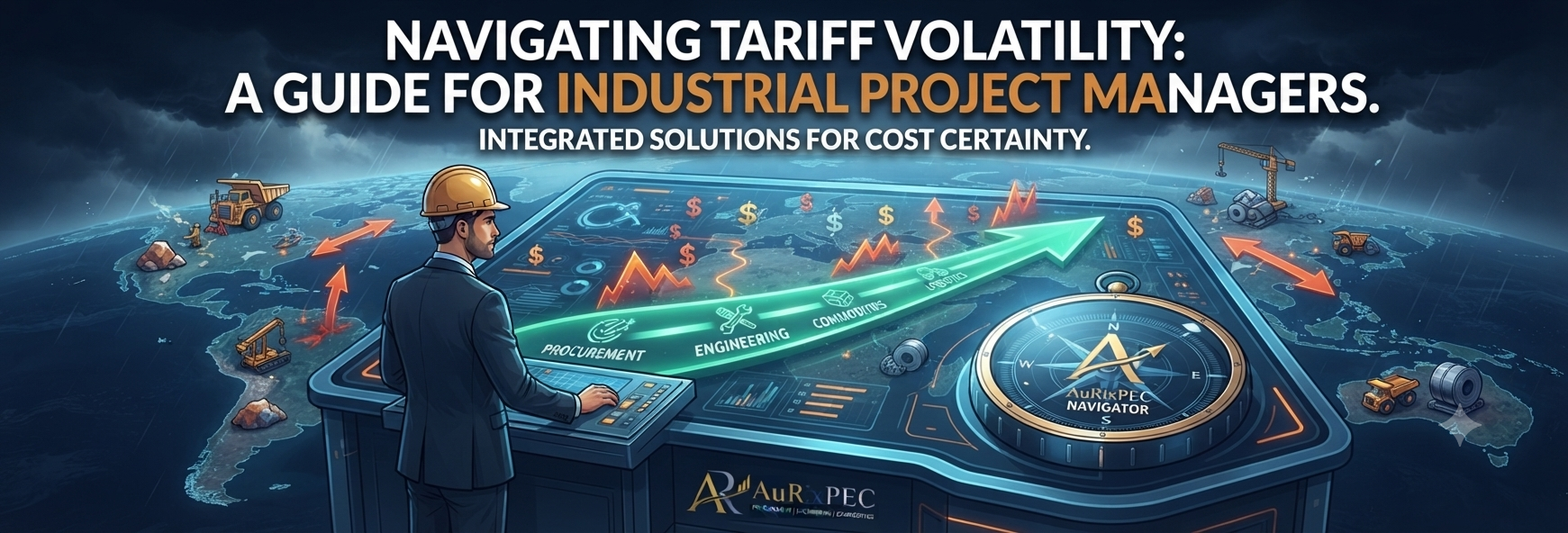
How can a project manager maintain control when the external market is unpredictable? Here are four strategies to hedge against rising costs and trade instability:
- Implement “Buffer” Sourcing Schedules: Do not wait until the start of a project phase to source materials. Build a procurement buffer that anticipates long lead times and potential customs delays, effectively locking in prices before volatility spikes hit the supply chain.
- Diversify Your Geographic Dependency: Relying on a single manufacturing hub leaves you vulnerable to regional trade disputes. Work with partners who can offer sourcing alternatives across different trade zones to avoid being held hostage by a single tariff regime.
- Prioritize Real-Time Market Intelligence: Decisions made on data from six months ago are dangerous in today’s climate. Ensure your procurement team has access to current commodity data and regulatory updates to forecast where price shocks might occur next.
- Audit Your “Landed Cost” Assumptions: Many project managers focus on the “ex-works” price. In 2026, you must rigorously model your “landed cost”—inclusive of potential tariff fluctuations, import fees, and shifting freight insurance costs—to avoid mid-project budget shortfalls.
The AuRixPEC Advantage: Strategic Sourcing as a Hedge
At AuRixPEC, we recognize that navigation is just as important as acquisition. We do not view procurement as a static service; we view it as a dynamic risk-mitigation tool. We assist our clients in keeping projects within budget by acting as the bridge between global markets and your site requirements:
- Market Intelligence Integration: We monitor global trade trends, allowing us to advise our clients on the best times to procure specific materials, effectively helping you “buy ahead” of volatility.
- Regulatory & Import Expertise: Navigating import-export complexities is a specialized skill. We handle the technical coordination of customs, documentation, and regional compliance, ensuring that your equipment arrives without the “tariff surprises” that frequently derail project budgets.
- OEM Partnerships: By leveraging our deep relationships with Original Equipment Manufacturers (OEMs) across multiple continents, we can pivot sourcing strategies rapidly if a specific region faces sudden trade barriers.
Stay Ahead of the Curve
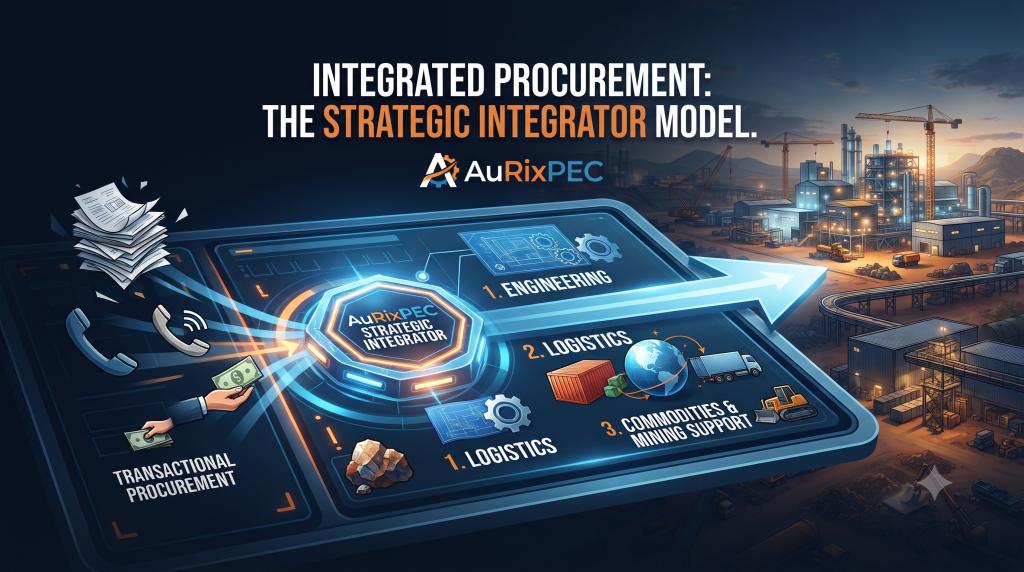
In a complex global market, your procurement strategy should be a shield, not a liability. If your current project is feeling the squeeze of rising costs and logistical uncertainty, it is time to move beyond transactional purchasing.
At AuRixPEC, we provide the industrial excellence and commercial agility needed to navigate the 2026 trade environment.
Are your project budgets currently at risk due to trade uncertainty?
Schedule a consultation with our team to review your supply chain resilience and secure your project’s financial trajectory.